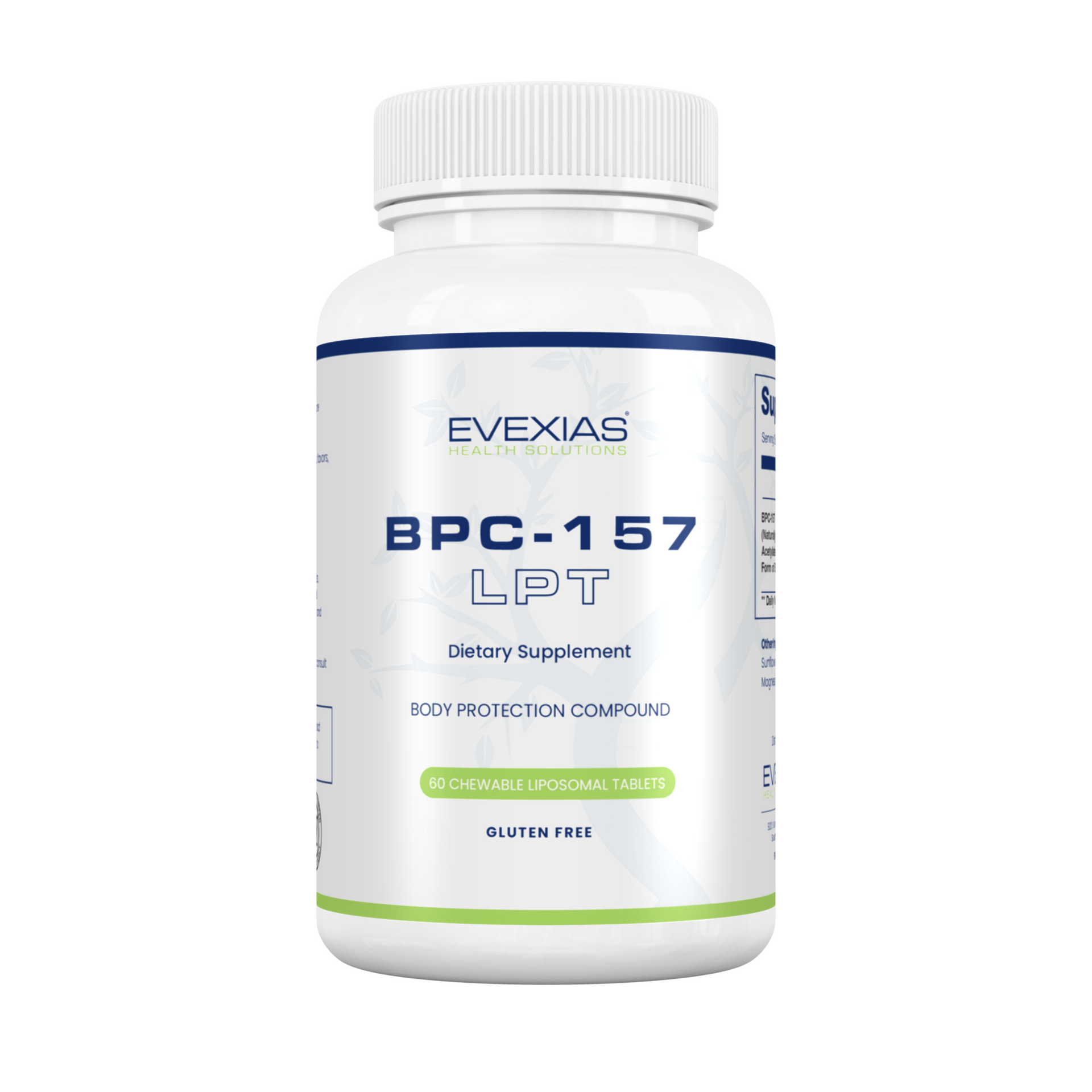
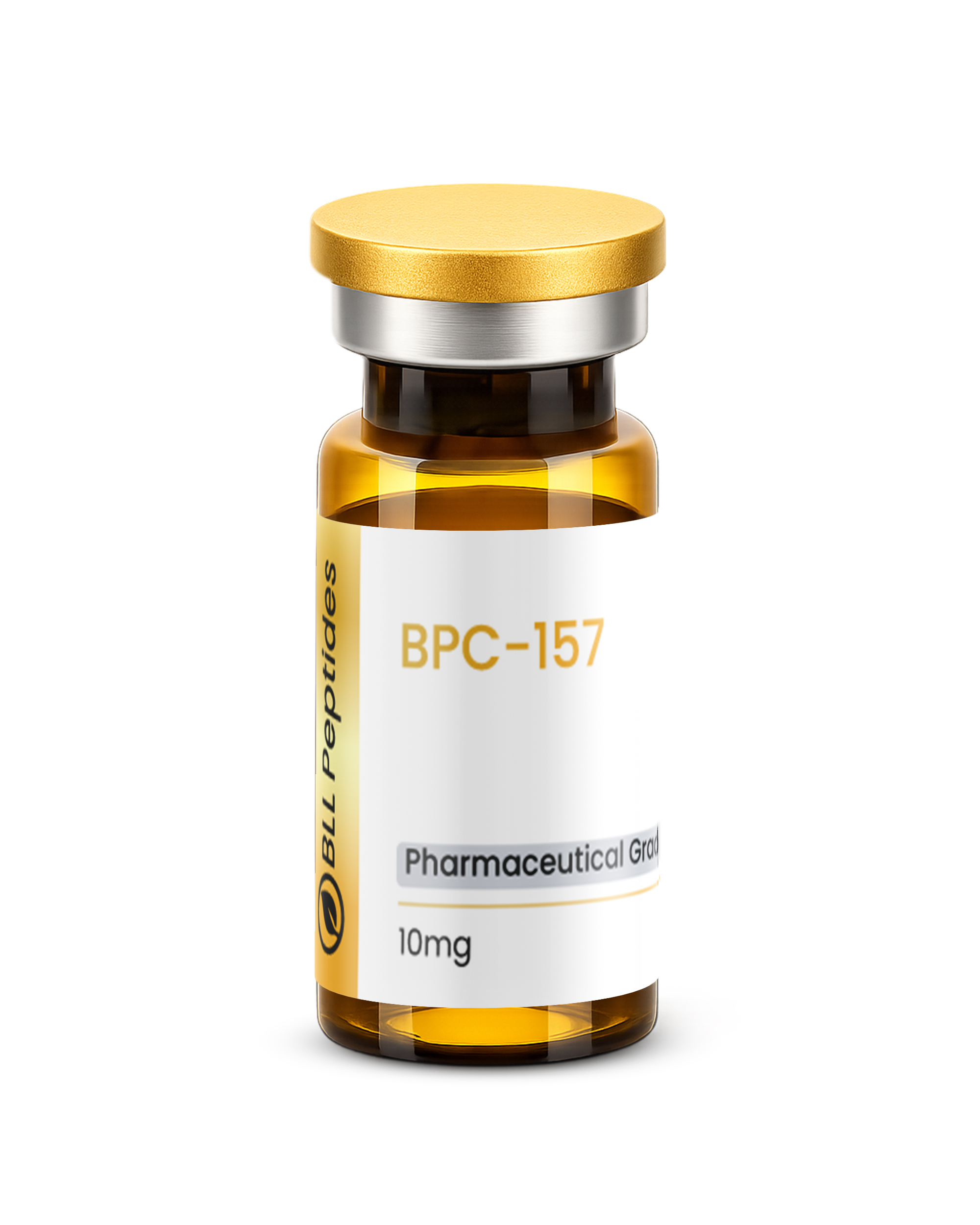
Love this
Not everyone needs this treatment
Based on investigational protocol reports and the clinical trial data, most subjects begin to see measurable changes in body composition at 4 to 6 weeks on a consistent daily protocol at 300 mcg
With no head-to-head data, comparing the two requires stitching together studies that differ in species, model, route, endpoint, and molecule a chain with several weak links
Additional at-risk groups include: Vegans and strict vegetarians , who may have low dietary B12 intake People with autoimmune conditions , including pernicious anaemia or type 1 diabetes Individuals with gastrointestinal conditions such as Crohn's disease or coeliac disease, which impair nutrient absorption People who have undergone bariatric surgery , which can significantly reduce B12 absorption Long-term users of proton pump inhibitors (PPIs) or H2-receptor antagonists , which reduce gastric acid and impair B12 release from food Those with a family history of either pernicious anaemia or diabetes For these groups, simultaneous monitoring of B12 status and glycaemic markers is particularly important to avoid diagnostic errors